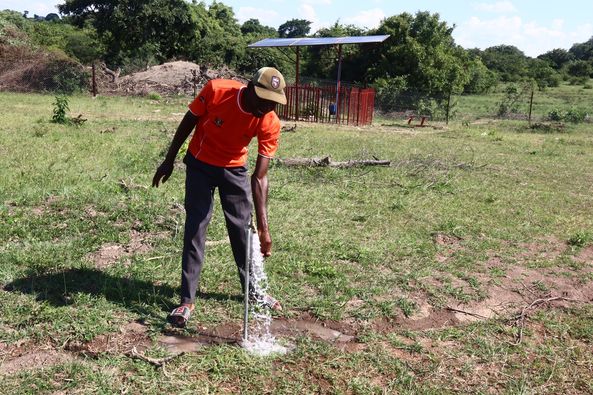
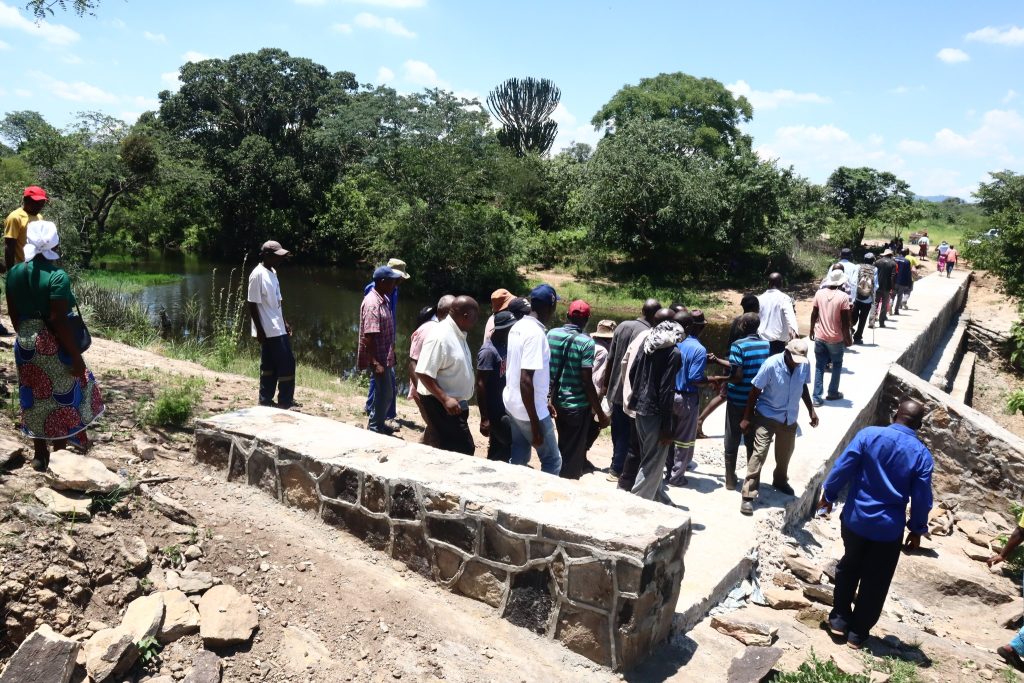
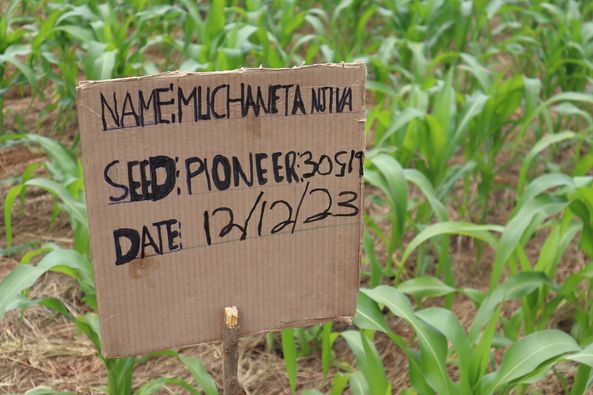
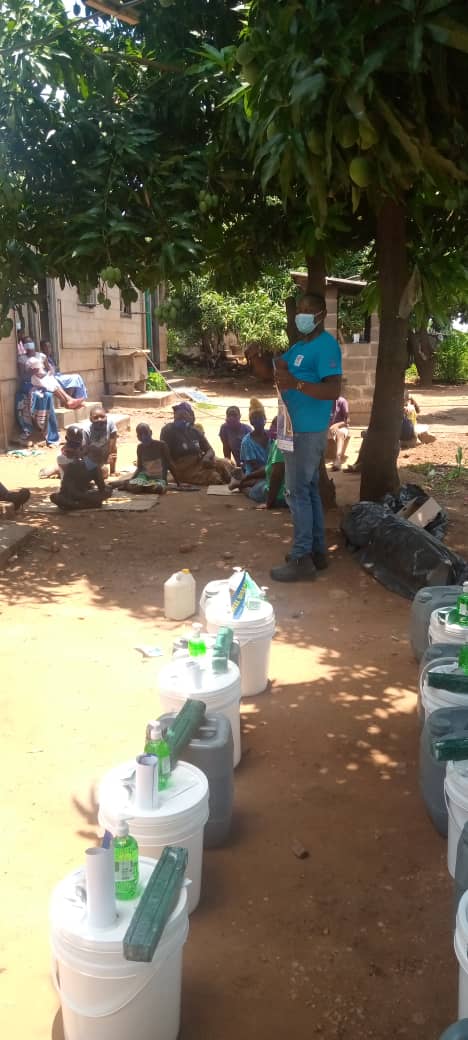
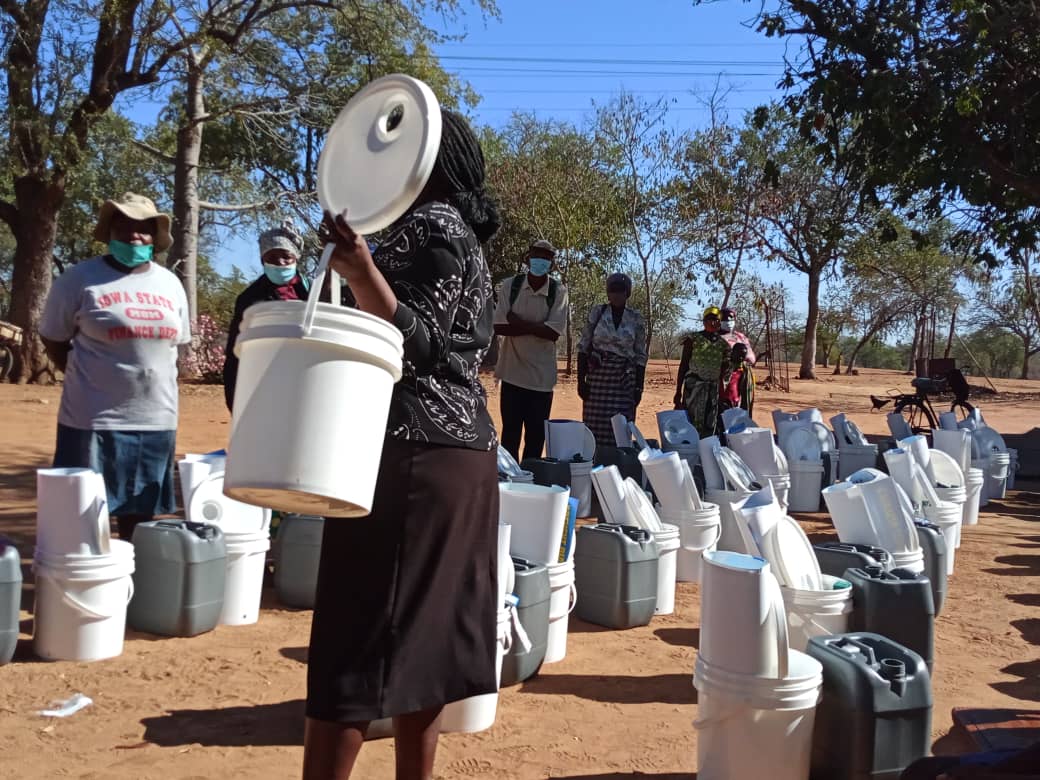
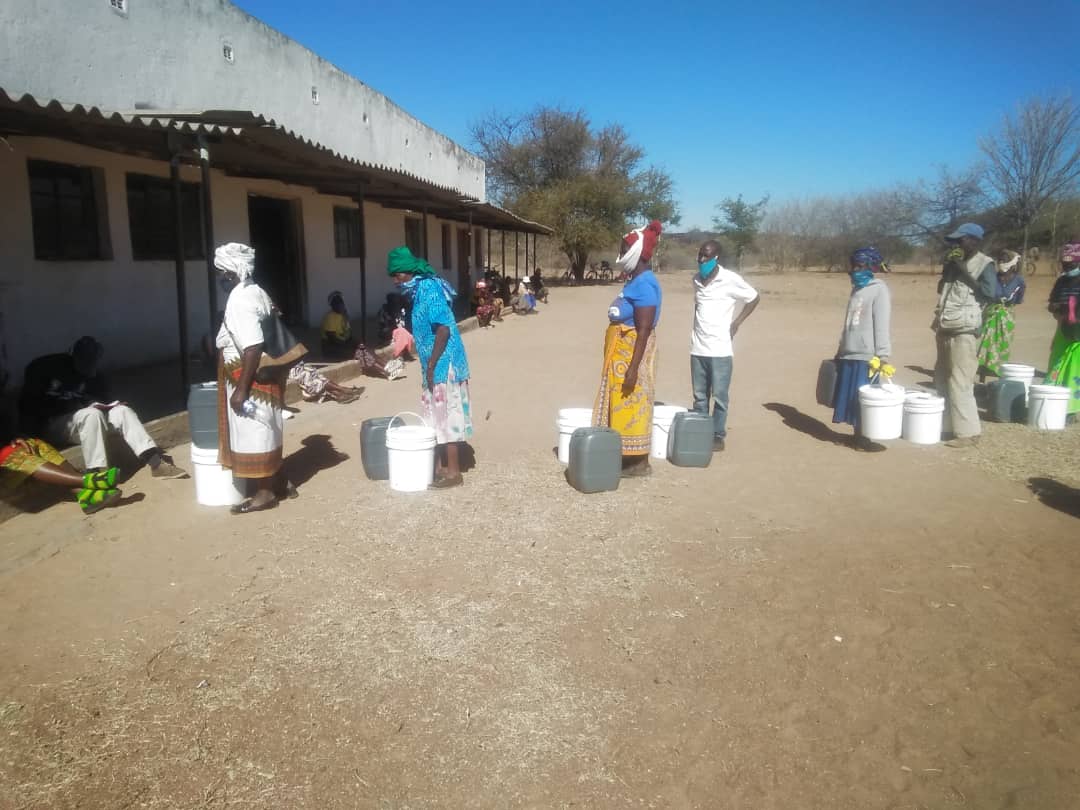
Demand-led rural WASH projects have completely transformed the way of life in Zimbabwe, particularly Mutsvanga Village. Located in Manicaland province in Makoni District, Matsvanga village has a total amount of 21 households, 12 are male headed and 9 are headed by female.It is one of the villages that has undergone positive change in terms good health management through sanitation and hygiene awareness as a result of the WASH projects implemented. The WASH project in Matsvanga village was an initiative to counteract the negative effects brought about by practicing open defecation. Emphasis was on establishing an open free defecation zone.
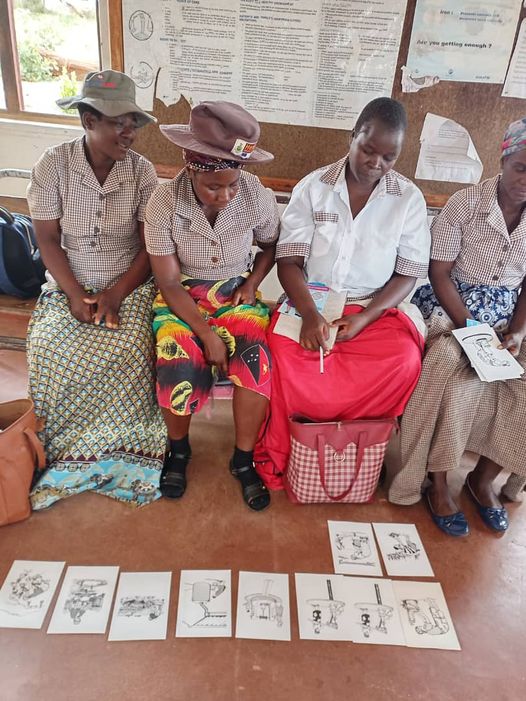
Consequently, cases of diarrheal diseases reduced significantly, a platform for creativity and cross pollination of ideas pertaining to maintenance and improvement of WASH good practices was established in form of sub-committees that govern hygiene and sanitation in the aforementioned village. Development of various skills both WASH and non-WASH(presentation skills, communication skills, creative and many other skills) were ushered in by the various WASH trainings not withstanding the fact that the project has greatly impacted all age groups positively. Effectively, all these developments are evident in the village and were succinctly presented by Mutsvanga villagers to WSSCC visitors, Christian Care Zimbabwe(the ones implementing the WASH project) and other stakeholders and committees in WASH.
The Water Supply and Sanitation Collaborative Council(WSSCC) is a global multi-stakeholder membership and partnership organisation that work with poor people, organisations, government and entrepreneurs to improve sanitation hygiene at scale. WSSCC provides funding through their Global Sanitation Fund (GSF).The GSF empowers people to make informed decisions to change their sanitation and hygiene and therefore choosing a healthier and more productive life for themselves and their children. The Government of Zimbabwe chose the Demand-led rural WASH project which was being implemented by Christian Care Zimbabwe to familiarise the visitors with how WASH projects are being executed in Zimbabwe. The main focus of the visit by WSSCC was on understanding developments taking place in Zimbabwe necessitated by WASH projects. Consequently, developments identified would facilitate the generation of more ideas on improvements and validate on the need to fund more similar projects on a National scale(Zimbabwe as a whole).A decision could be made based on the observations and analysis as to whether it is feasible or not to provide the Global Sanitation Fund to Zimbabwe.
A series of events occurred as part of the familiarisation process commencing with a meeting at Rusape City Council. The meeting’s emphasis was on providing updates on WASH activities as well as pointing out different roles of committees and sub-committees in WASH. Committees and sub-committees includes DWSSC, WWSSC, VWS, HCs, WPCs, and SAG.
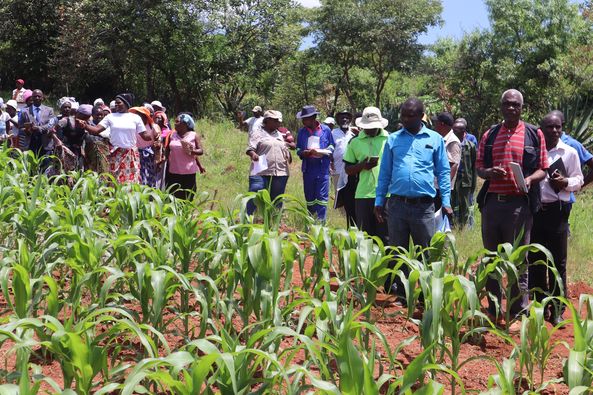
People of Mutsvanga village gathered to host the visitors and share a piece of their experiences, reactions, and transformations as a result of the WASH project. Upon arrival visitors were welcomed with a song saying,”ndiko kuwirirana kwatakaita,dhodhi mugomba”.This was to tell the visitors that people in Mutsvanga village had agreed not to practice open defecation and build latrines. Presentations in form of drama succinctly demonstrated positive change from the days villagers practiced open defecation to the current where they started using latrines. Children and adults took part in the presentation to demonstrate the coverage of WASH projects. Villagers demonstrated how they lived before the project and a change after the project. To further elaborate what they learnt from thee WASH project, they modelled question relating to WASH and asking their fellow villagers who gave accurate responses. A quick tour to various homesteads to inspect the way the toilets were constructed followed afterwards. At the end of the ceremony, Clara Rudholm from WSSCC, the manager East and Southern Africa gave her comments based on her observations. She acknowledged the good work that is being done and thanked Christian Care for a job well done. Clara added on to that promising to return to Zimbabwe with her team and also to support WASH projects in Zimbabwe.
In conclusion, the visit yielded positive results and prospects of an increase in the scale of WASH projects.