Fambidzanai: The Group That Refused to Give Up
Three years after training, 25 farmers in Bikita are still meeting, still farming and now teaching others.
In 2023, Christian Care and the Government came to Chinondiwana Village in Ward 5, Bikita. Many thought it was just another workshop. They brought Pfumvudza, or conservation farming, but taught it differently: not in a hall, but in the field, through Farmer Field Schools.
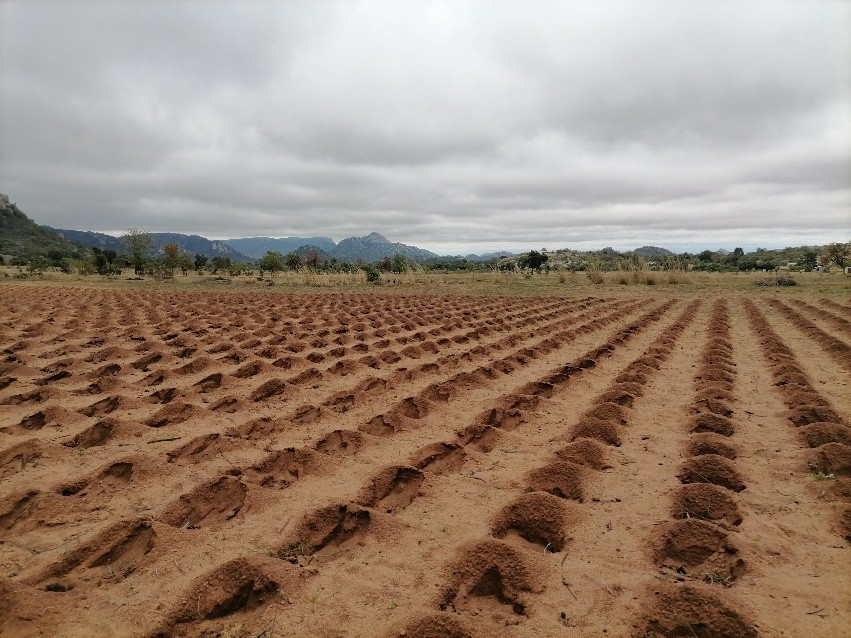
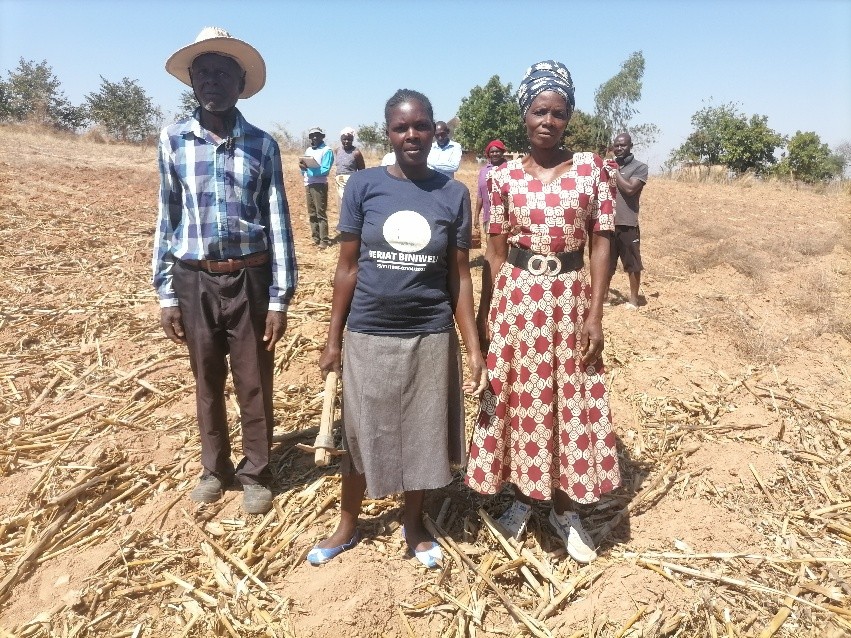
At the front was one of their own, Lead Farmer Mabasa Javas. He did not just talk. He dug. He measured 75cm by 75cm holes and demonstrated mulching, precise fertiliser placement and early planting. Twenty-five farmers watched, then did it themselves. They named their group Fambidzanai, “Let’s move forward together.”
Many groups collapse when a project ends. Fambidzanai did not. Three years later, in 2026, they still meet every Thursday in the field, with Mabasa still leading.
Now the forecast is talking about El Niño again. In the past, that word meant hunger in Bikita, but not for Fambidzanai. Each of the 25 members now has more than 0.3 hectares under conservation farming, eagerly waiting for the first effective rains. The pits trap every drop of rain and the mulch keeps moisture. While others’ crops wilt, theirs survive. Last year and the year before, each household harvested enough grain to feed their family for the whole year, and some had surplus to sell.
“We used to wait for aid in drought years,” says Mabasa. “Now we are the ones teaching others.”
From a 2023 training to a 2026 movement, Fambidzanai proves that when farmers lead farmers, the practice stays.
- Lead farmer and participants in conservation field
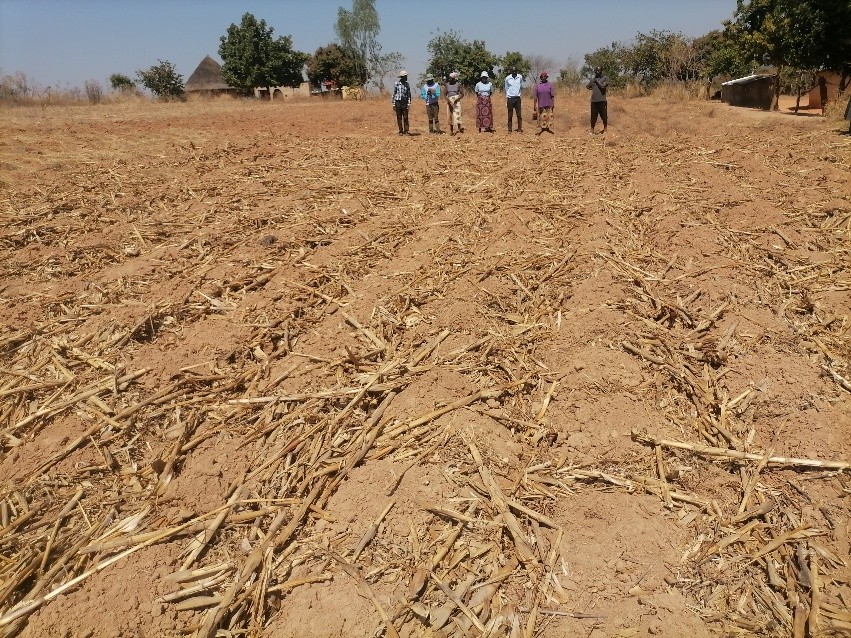
2. Mulched conservation farming plot
3. Well dug basins for the 2026/7 agriculture season