STORY OF CHANGE: RUPINDA GARDEN – WARD 31, BIKITA
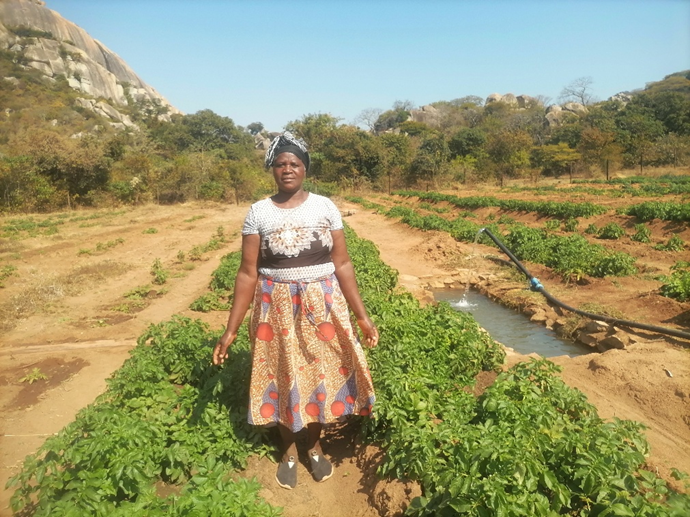
In the dry and challenging conditions of Natural Farming Region 5, Ward 31 of Rupinda Village in Bikita District, water scarcity once defined everyday life. For years, the 30-member Rupinda Garden group, made up of 29 women and 1 man, struggled to produce crops consistently. Farming was limited to the rainy season, harvests were poor, and the nearby Mukweture Wetland, located approximately three kilometres uphill, was increasingly degraded and vulnerable to destruction due to human activities and the effects of climate change.
Today, that story has changed dramatically. Through support from Act for Peace and The Charitable Foundation, Christian Care implemented a transformative intervention to protect and restore the Mukweture Wetland. The initiative included fencing the wetland to safeguard it from degradation, constructing a weir to harvest and store water, and installing a three-kilometre pipeline that now supplies water to the two-hectare Rupinda Garden.
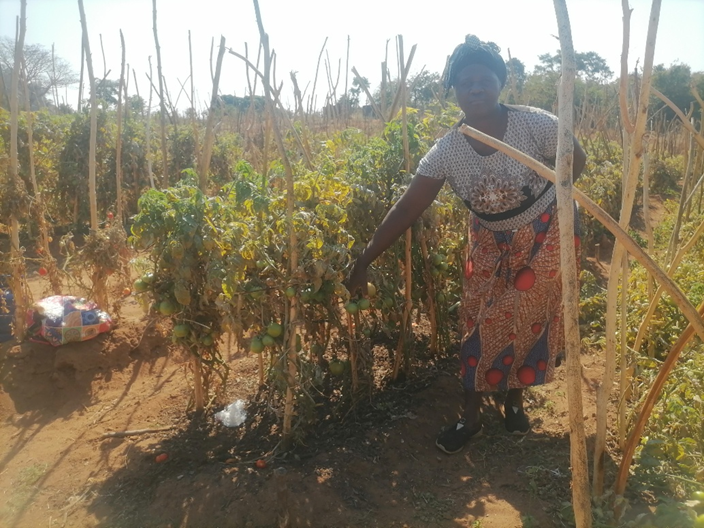
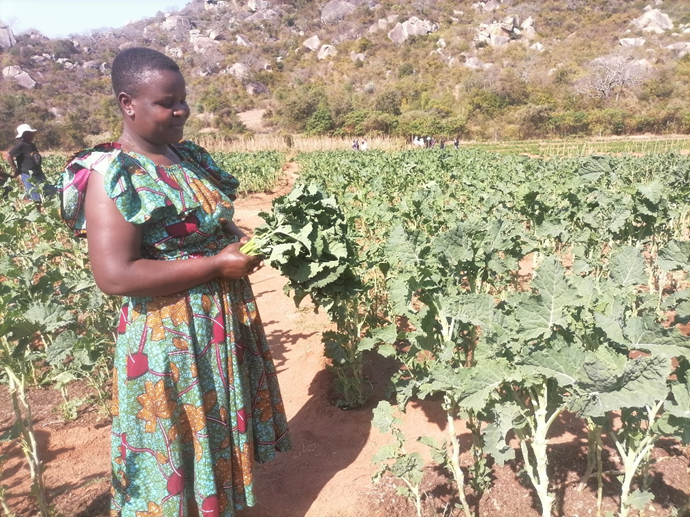
As a result, the garden has been transformed into a thriving, year-round agricultural enterprise. Members now grow a variety of horticultural crops including tomatoes, onions, covo, beans, green mealies, and potatoes throughout the year, providing both food for their families and produce for sale.
“Before Christian Care and partners intervened, we only grew crops during the rainy season. Now we harvest every month,” says Mrs. Joyce Mudzinganyama, Secretary of the Rupinda Garden.
The impact extends beyond agriculture. Agritex continues to provide technical extension and advisory services, helping farmers improve productivity and adopt sustainable farming practices. Households are earning income from the sale of fresh vegetables, savings have increased, and families are enjoying improved nutrition through regular access to diverse vegetables.
The community has also established strong local management structures. A dedicated committee, together with local leadership, oversees the irrigation system, while a portion of garden income is set aside for maintenance and repairs, ensuring long-term sustainability and ownership.
What was once a struggling seasonal garden has become a flourishing, women-led agribusiness. By protecting the Mukweture Wetland, the community secured more than water—they secured livelihoods, improved nutrition, and strengthened resilience against climate change.
Rupinda Garden stands as a powerful reminder that when wetlands are protected, communities thrive.